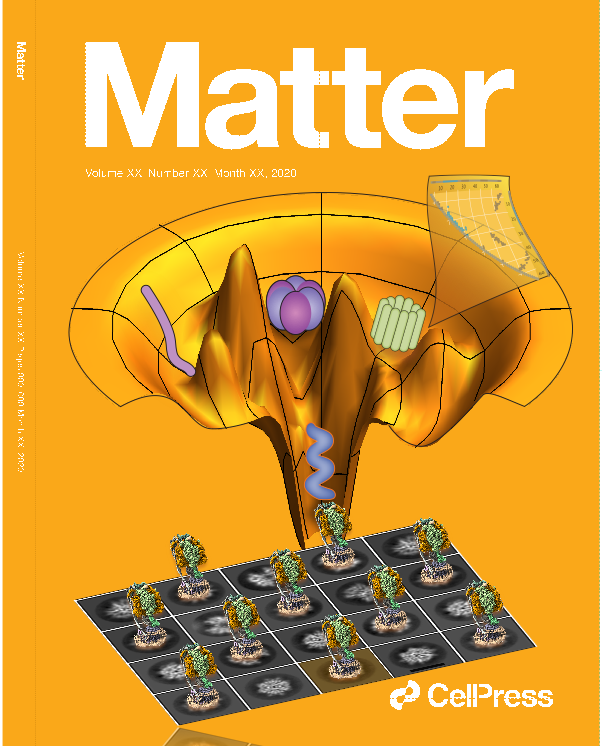
Brownian-ratchet motor mechanisms.
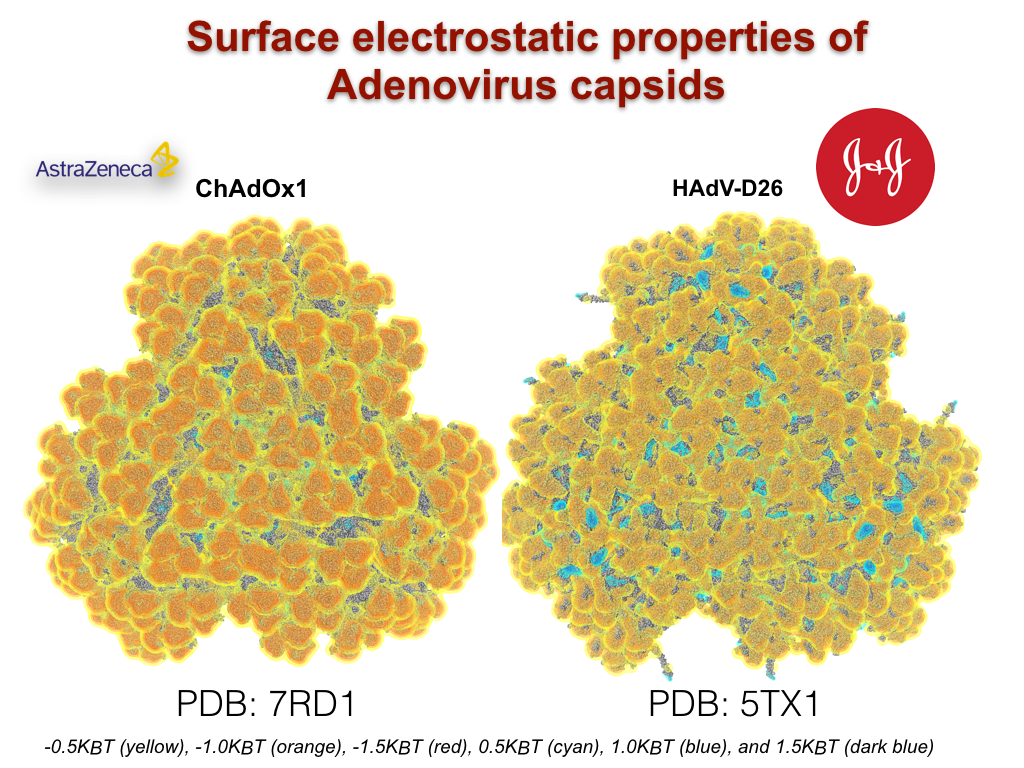
Electrostatic comparison of adenovirus capsids.
Energy storage and viral surfaces
From motor energetics to adenovirus surface properties, our work links physical mechanisms to biomedical function.
Research
Our laboratory studies the molecular origins of life by integrating structural biology, molecular dynamics, machine learning, and high-performance computing. We seek to understand how energy transfer, conformational change, and cooperative dynamics generate biological function, and how these principles can be translated into health, disease, and therapeutic design.
The unified theme of the lab is to discover the molecular origins of life. This mission bridges structural biology, computation, and quantitative modeling to reveal the design principles underlying biomolecular function.
The unified theme of our laboratory is to discover the molecular origins of life by connecting structural biology, molecular biophysics, and computational discovery. We study how phenotypic outcomes such as light adaptation, growth, and immunogenicity emerge from energy transfer across crowded molecular systems.
A major focus is the ubiquitous family of mitochondrial protein complexes and rotatory F-/V-/A-type ATPases. We investigate their oligomeric architecture and chemomechanical coupling as exemplary biological designs for optimizing energy conversion.
We also examine how leakage in molecular energy networks contributes to ageing and how dysregulated turnover is implicated in disorders such as cancer and neurodegenerative disease.
The primary methodological foundation of our program is atomistic molecular dynamics, paired with machine learning, image-based inference, and scalable computation. These tools allow us to probe the noisy coupling between rapid chemical reactions, slower conformational transitions, and even slower diffusive processes across biological systems.
Our work has contributed new mechanistic insight into molecular motors, organelle-scale energy transfer, and biophysical causes of disease. Across these studies, the common aim is to connect fundamental physical principles with functional and translational relevance.
Using Brownian ratchet theory and molecular simulations, we unified energy storage and dissipation mechanisms across diverse classes of motors while avoiding artificial biasing assumptions that can compromise generalizability.
We found that ATPase energy turnover is regulated not simply by structure, but by controlling the tradeoff between speed and reversibility of chemomechanical transfer, revealing distinct symmetry-breaking strategies across related molecular machines.
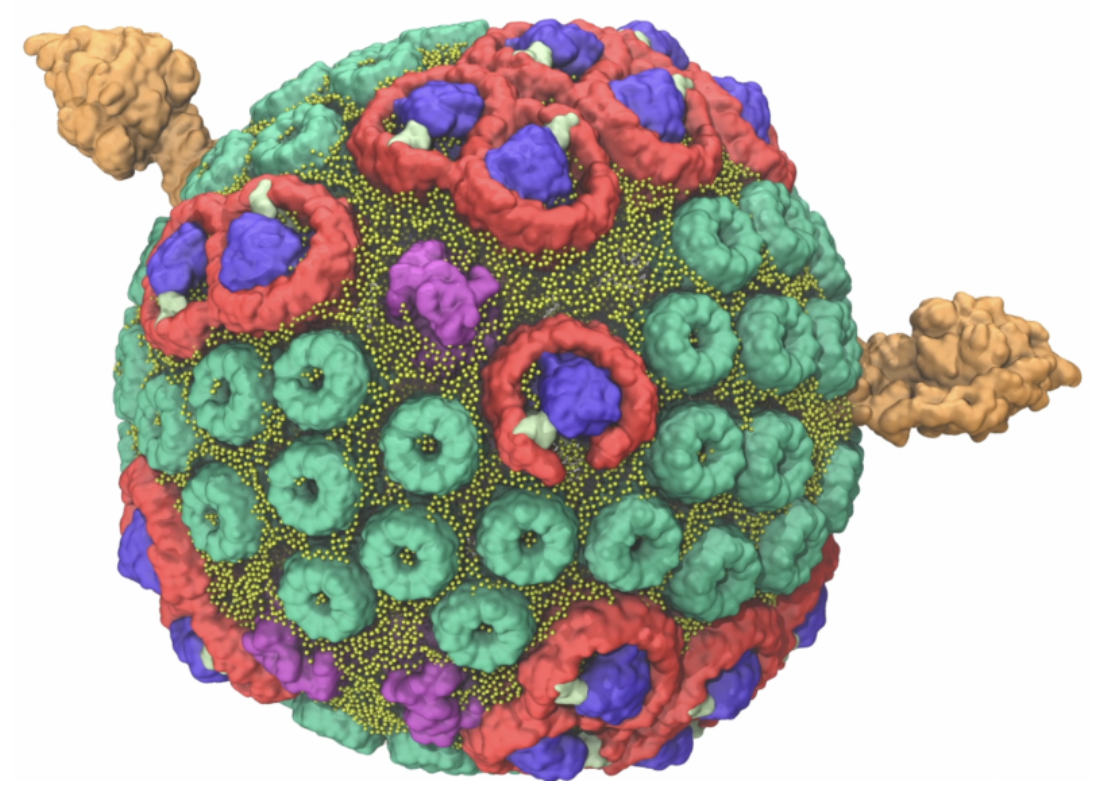
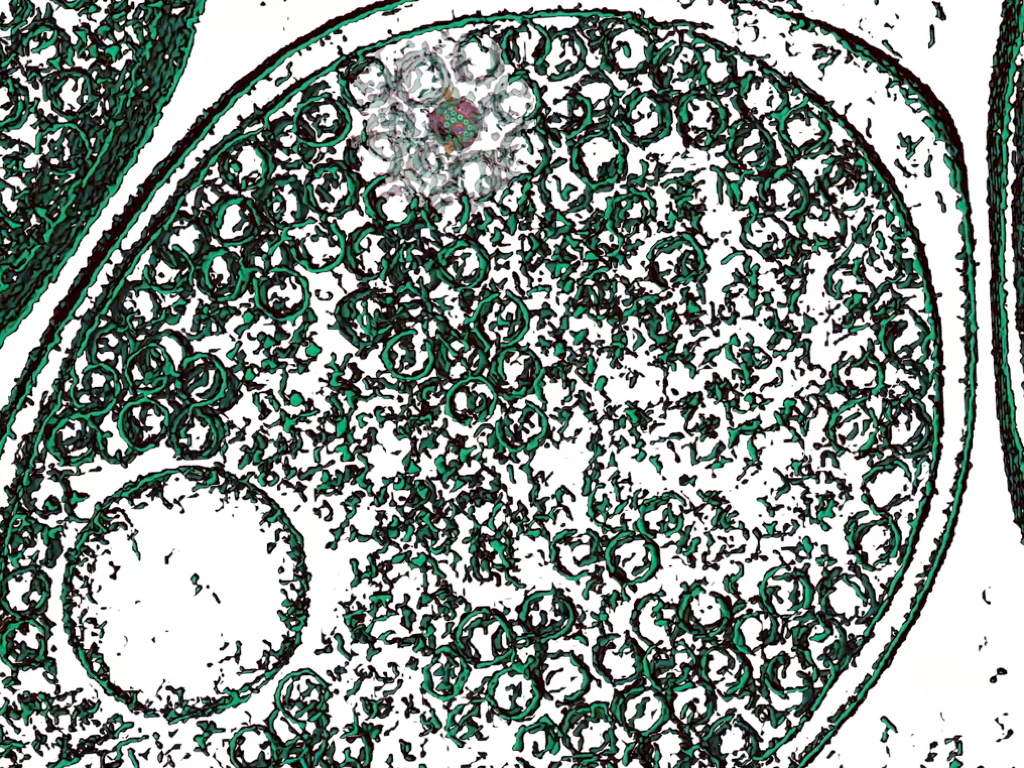
Our group performed the first molecular dynamics simulation of an entire organelle, showing how cells can tune motor activity not only for efficient energy transfer but also for fitness under environmental and biochemical stress.
During COVID-19, we identified the molecular basis of rare vaccine-associated clotting and extended this work toward immunopeptide prediction, personalized medicine, and biophysics-guided therapeutic design with clinical collaborators.
Core question
How does life emerge from interacting molecular systems?
We study how structure, dynamics, and energy flow together produce biological function across scales.
Signature methods
MD, ManifoldEM, and interpretable machine learning
Our group integrates structural, imaging, and kinetic data into physically grounded models of biomolecular behavior.
Computational scale
From single molecules to organelles and cell-scale models
National supercomputing resources allow our computations to reach hundreds of millions of particles.
Translation
Biophysics-guided medicine and therapeutic design
We extend simulation-based discovery into immunology, vaccine safety, cancer, and personalized health applications.
Brownian-ratchet motor mechanisms.
Electrostatic comparison of adenovirus capsids.
From motor energetics to adenovirus surface properties, our work links physical mechanisms to biomedical function.
Whole-organelle molecular dynamics.
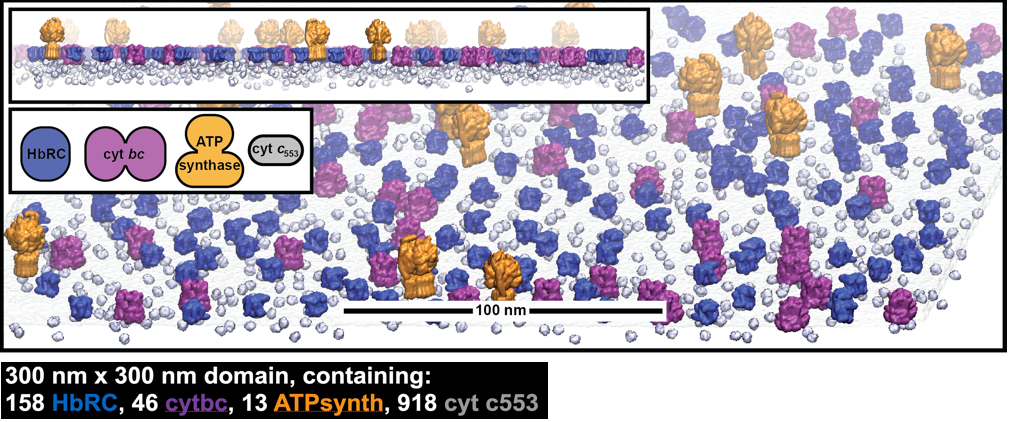
Crowded membrane energy-transfer modeling.
We extend molecular dynamics from single molecules to organelles and dense membrane environments to study energy transfer at biological scale.