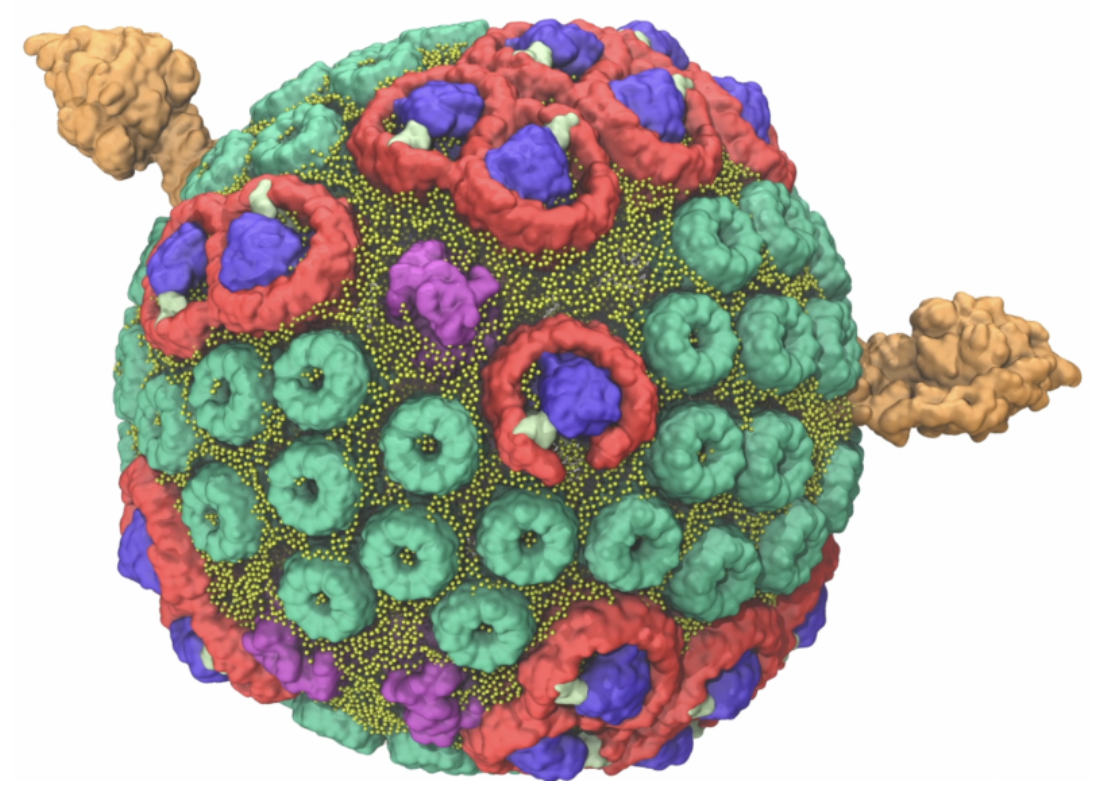
Systems Structural Biology Group
Human-centered AI science for structural discovery and complex systems.
We build trustworthy computational methods that connect protein structure, molecular dynamics, and human decision-making. Our tools span across structural biology, applied deep learning, and adaptive AI systems at the human-computer interface.
Structural biologyComplex systemsHuman-centered data scienceNonlinear dynamicsInterpretable AI
Molecular behaviors
Building protein understanding in motion
We unify simulation, learning, and human-centered design to study complex biological and sociotechnical systems.
- Structural biology & modeling: molecular simulation, multiscale structure–function analysis.
- AI + data science: statistical learning, reliable inference.
- Complex systems: dynamical systems methods and interpretable metrics.
- Human-centered AI: usable, trustworthy tools for health and operations.
Mission & Vision
Mission: Trustworthy, usable AI for discovery. Build human-centered AI that turns complex signals into reliable insight.
Vision: Interpretability at scale. We demystify the underpinnings of complex AI and biological systems.
Molecular behaviors
Building protein understanding in motion
We study protein behavior not only as static structure, but as motion, interaction, and cooperative response.
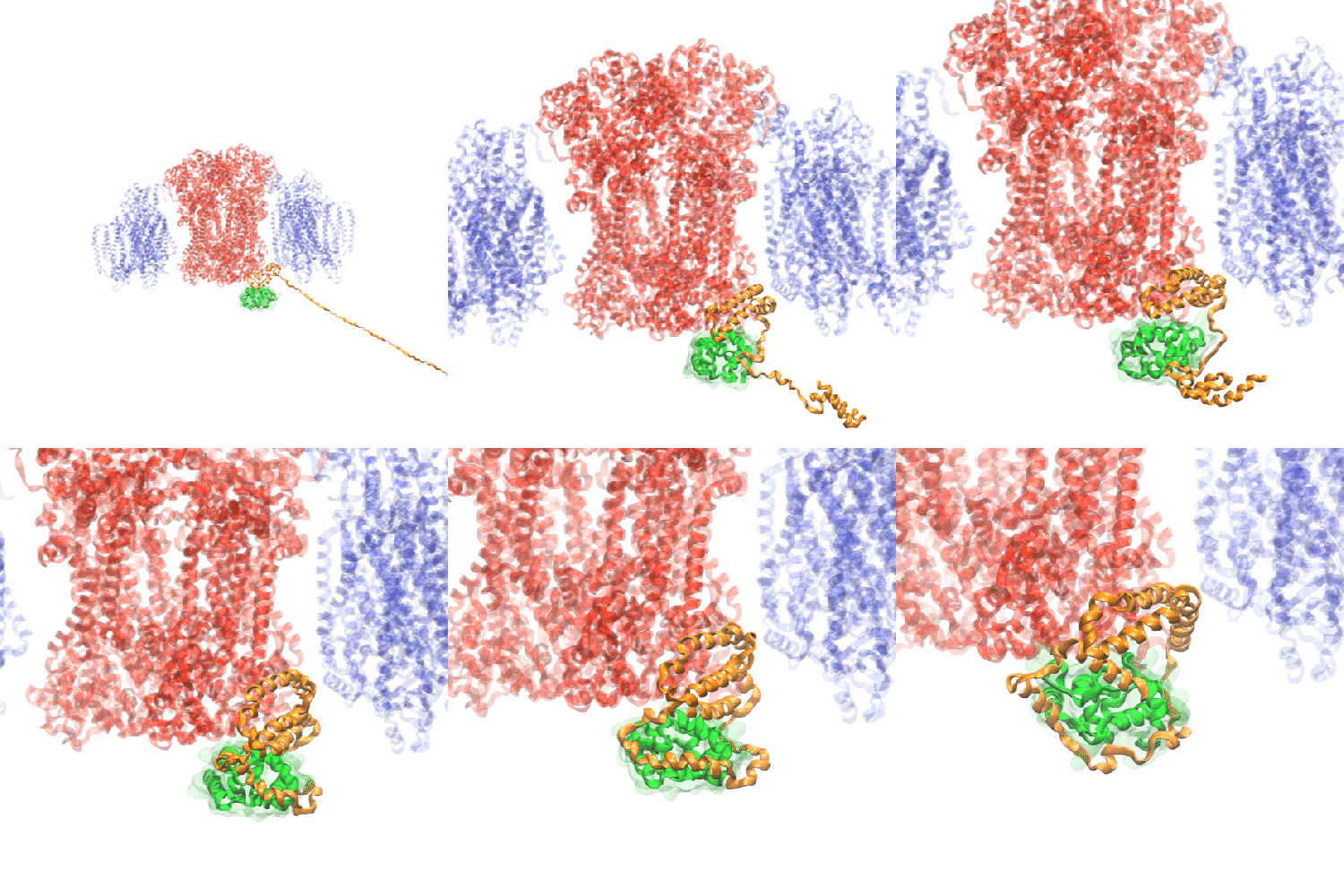
Folding landscape of disordered proteins on protein supercomplexes.
Folding
Protein sequences encode more than stationary structures seen in databanks; they encode an ensemble of molecular movements whose landscape determines function.
Tracking these motions offers a new lens on evolution and opens pathways toward engineering protein movements beyond nature.
Binding
Diffusion-driven protein-protein interactions create rate-determining bottlenecks in biological functions such as signaling, recognition, and pathogenicity.
These pathways can be engineered to study infectivity and to guide the design of medical countermeasures.
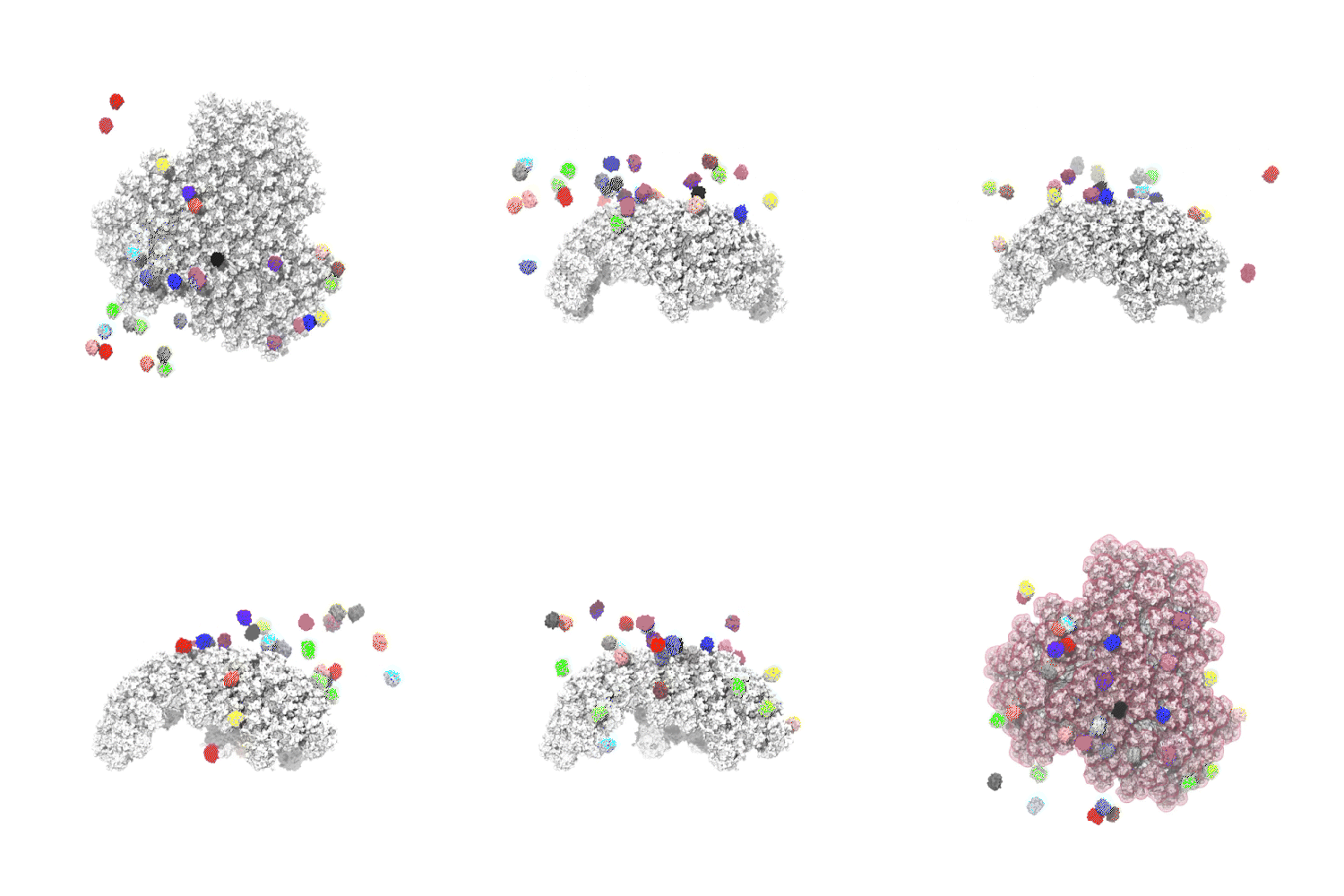
Chemokine binding on the ChAdOx vaccine vector surface.
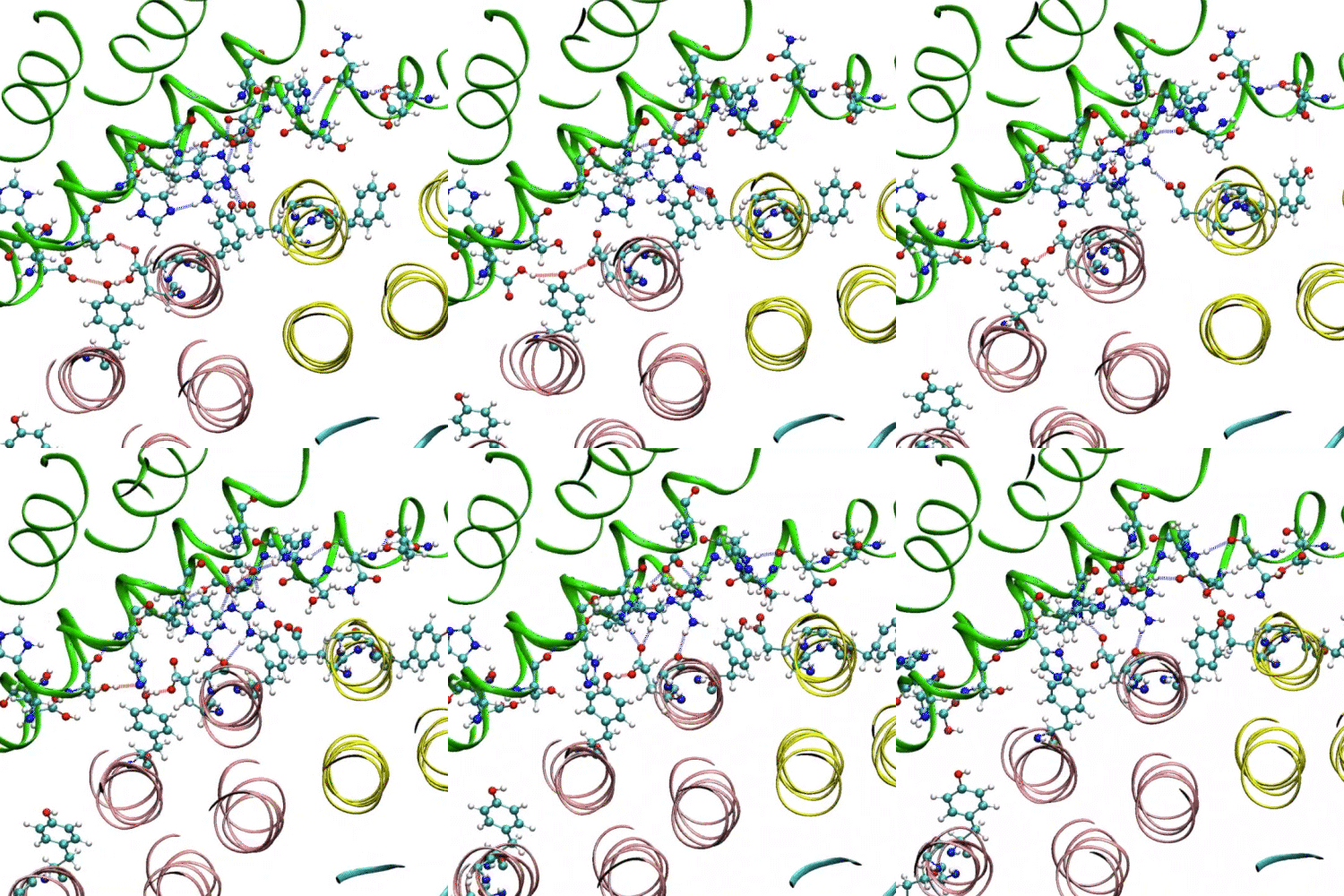
Coupled rotation in integral-membrane molecular motors.
Cooperativity
Beyond internal dynamics, protein function depends on modifications and environmental changes through cooperative and allosterostoc coupling that can also be chemomechanical.
Cooperativity controls protein movements in cellular environments and can be harnessed for biomolecular engineering and manufacturing benefits.