Our Team

People

Human-centered AI science for structural discovery and complex systems.

Senior Personnel

4 members

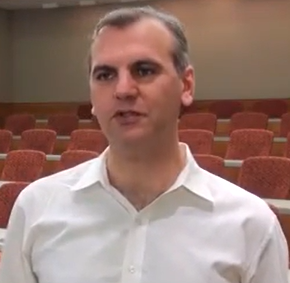
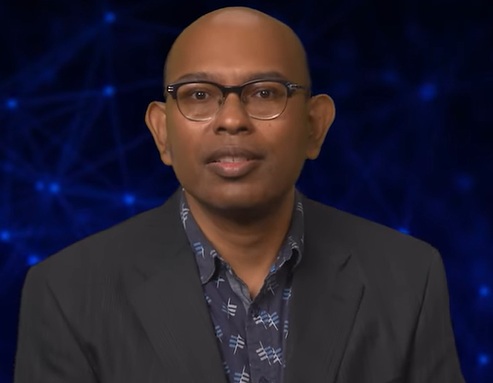
Abhishek Singharoy headshot

Abhishek Singharoy

Principal Investigator and Lab Director

Abhishek Singharoy, Ph.D., is Associate Professor in the School of Molecular Sciences at Arizona State University and Principal Investigator of the lab. He also serves as a DARPA Program Manager in the Biological Technologies Office, where his profile highlights his work at the intersection of statistical mechanics, molecular biology, hybrid modeling, and large-scale computer simulations. At ASU, his research has focused on combining statistical mechanical methods with computational approaches to model cell-scale biological responses. His DARPA program portfolio includes NODES (Network of Optimal Dynamic Energy Signatures), which aims to develop a biophysics-informed deep learning capability for predicting protein function from dynamic signatures, and SMS (Simulating Microbial Systems), which seeks to create computational simulations that accurately predict bacterial behavior across contexts. In addition to his appointment in the School of Molecular Sciences, he has held affiliations with Mary Lou Fulton Teachers College and the Mayo Clinic of Arizona. He completed a postdoctoral fellowship in biophysics at the Beckman Institute, University of Illinois Urbana-Champaign. Education: Ph.D., Theoretical Chemistry, Indiana University Bloomington; M.S., Physical Chemistry, Indian Institute of Technology Bombay; B.S., Chemistry, St. Xavier’s College, University of Calcutta.
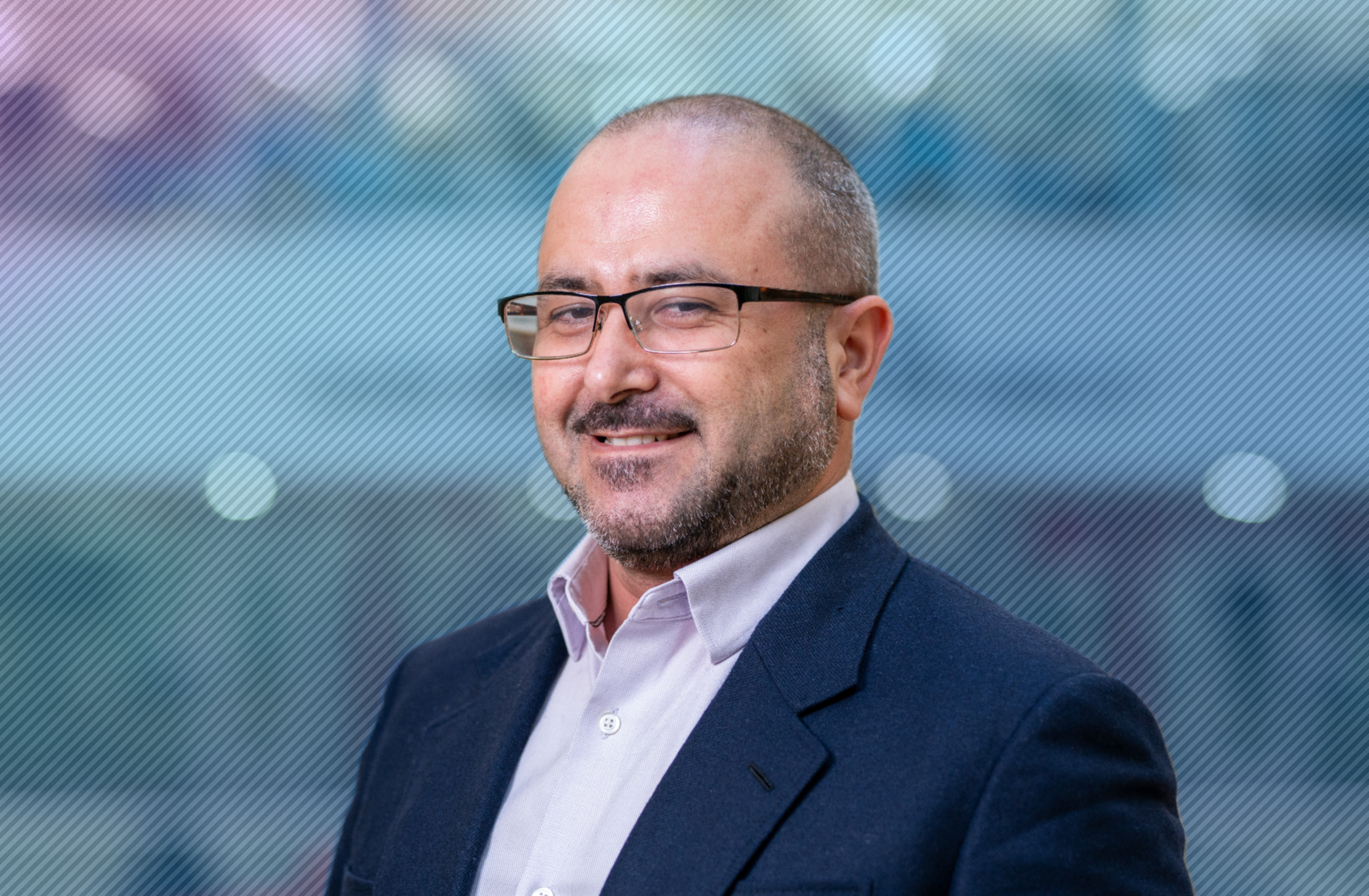
Caleb James Armstrong headshot

Caleb James Armstrong

Associate Research Scientist & Faculty Associate

Associate Research Scientist at the ASU Biodesign Institute (Center for Applied Structural Discovery) and Faculty Associate teaching statistics at the Ira A. Fulton Schools of Engineering at Arizona State University (Tempe, AZ). Also affiliated with the Department of Industrial and Systems Engineering at Texas A&M University. He earned a Ph.D. in Simulation, Modeling, and Applied Cognitive Science (ASU, 2017), focused on team coordination dynamics and effectiveness in human/machine teaming. His research develops human-centered, AI-enabled sociotechnical systems using nonlinear/dynamical systems modeling, advanced statistical methods, and multimodal physiological/behavioral sensing to support learning, health, and operational decision-making. His work spans journals and conference proceedings across social and engineering sciences, and he is a Senior Member of IEEE.

Chun Kit Chan headshot

Chun Kit Chan

Postdoctoral Research Scholar

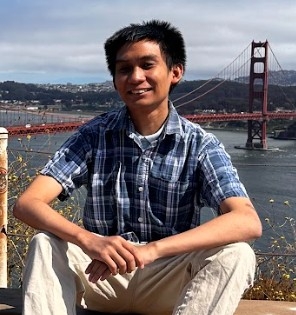
Chun Kit Chan is a multidisciplinary scientist and engineer with expertise spanning machine learning, computational chemistry, and physics. He has more than six years of experience leading and supporting computational research projects involving proteins, small molecules, viruses, biological membranes, and clinical genomic data. His work integrates advanced modeling, simulation, and data-driven methods to address complex scientific and translational challenges in biology, health, and therapeutic development. His technical background includes extensive experience in molecular modeling and simulation, with proficiency in Brownian dynamics, molecular dynamics, docking, free energy perturbation, steered molecular dynamics, replica exchange, umbrella sampling, adaptive-biasing force methods, Monte Carlo methods, Poisson-Boltzmann approaches, and AlphaFold-based workflows. In parallel, he applies a broad range of machine learning and deep learning methods using frameworks such as PyTorch, TensorFlow, and scikit-learn, with experience in natural language processing, convolutional and recurrent neural networks, LSTMs, graph neural networks, variational autoencoders, generative AI, adversarial training, ensemble learning, clustering, and feature engineering. Chun is also highly proficient in scientific programming and computational infrastructure, with strong command of Python, Bash/Linux, R, MATLAB, Tcl, and HTML. His broader capabilities include GPU acceleration, high-performance computing, data analysis, data management, database planning, technical writing, scientific presentation, and peer review. He is particularly motivated by emerging scientific problems and continuously seeks to expand his expertise through state-of-the-art analytical methods and interdisciplinary collaboration. Recognized for his adaptability, initiative, and strong collaborative mindset, Chun contributes effectively in both independent and team-based environments. He has experience supporting research and development efforts in therapeutics, mentoring others, and working across disciplinary boundaries to translate computational insights into meaningful scientific outcomes. He is currently open to new opportunities and is eager to contribute his analytical rigor, technical breadth, and research-driven approach to organizations committed to innovation in science and technology. Chun is authorized to work in the United States and is also eligible to work in Canada and the United Kingdom through streamlined application processes. He is open to relocation for the right opportunity.

Melih Sener headshot

Melih Sener

Research Scientist

Melih Sener is a theoretical biophysicist specializing in computational modeling of biological systems from atomic detail to cell-scale organization, particularly in the bioenergetic domains of photosynthesis. I develop novel mathematical formulations for energy conversion processes to determine organizational principles across multiple scales. This integrative modeling approach closely follows experimental collaborations, particularly with Neil Hunter, and spans a range of scales from excitation kinetics of pigment networks to structure-based rate kinetics at the cell level, revealing, e.g., cell doubling times as a function of incident light. Science outreach to the general public and the intersection of science and art are passions of mine, as I employ visualization techniques developed for modelling, also as narrative devices for humanity's oldest story: how, from light, life grows. My narrative on energy conversion in photosynthetic bacteria, in collaboration with Donna Cox's team, received the 2019 Best Scientific Visualization Award. In September 2022, I retold this story on stage, in choreography, spoken words, and movement, as part of the 'Joy of Regathering' collaboration under the direction of Latrelle Bright and with the music of Stephen Taylor, performed at the Krannert Performance Center, UIUC--allegorically describing photosynthesis for broad audiences.

Graduate Students

9 members

Christine Rajarigam headshot

Christine Rajarigam

Graduate Student

Graduate student, co-advised by Dr. Abhishek Singharoy and Dr. Yoan Simon, also at ASU. Research focuses include the use of classical molecular dynamics and quantum methods to study synthetic polymer behavior.

Debjeet Chakraborty headshot

Debjeet Chakraborty

Graduate Research Associate

Graduate Student at the School of Molecular Sciences, ASU, studying membrane protein dynamics using coarse grained simulation. Interested in AI applications to uncover and model biophysical processes.

Jacob Layton headshot

Jacob Layton

Graduate Research Associate

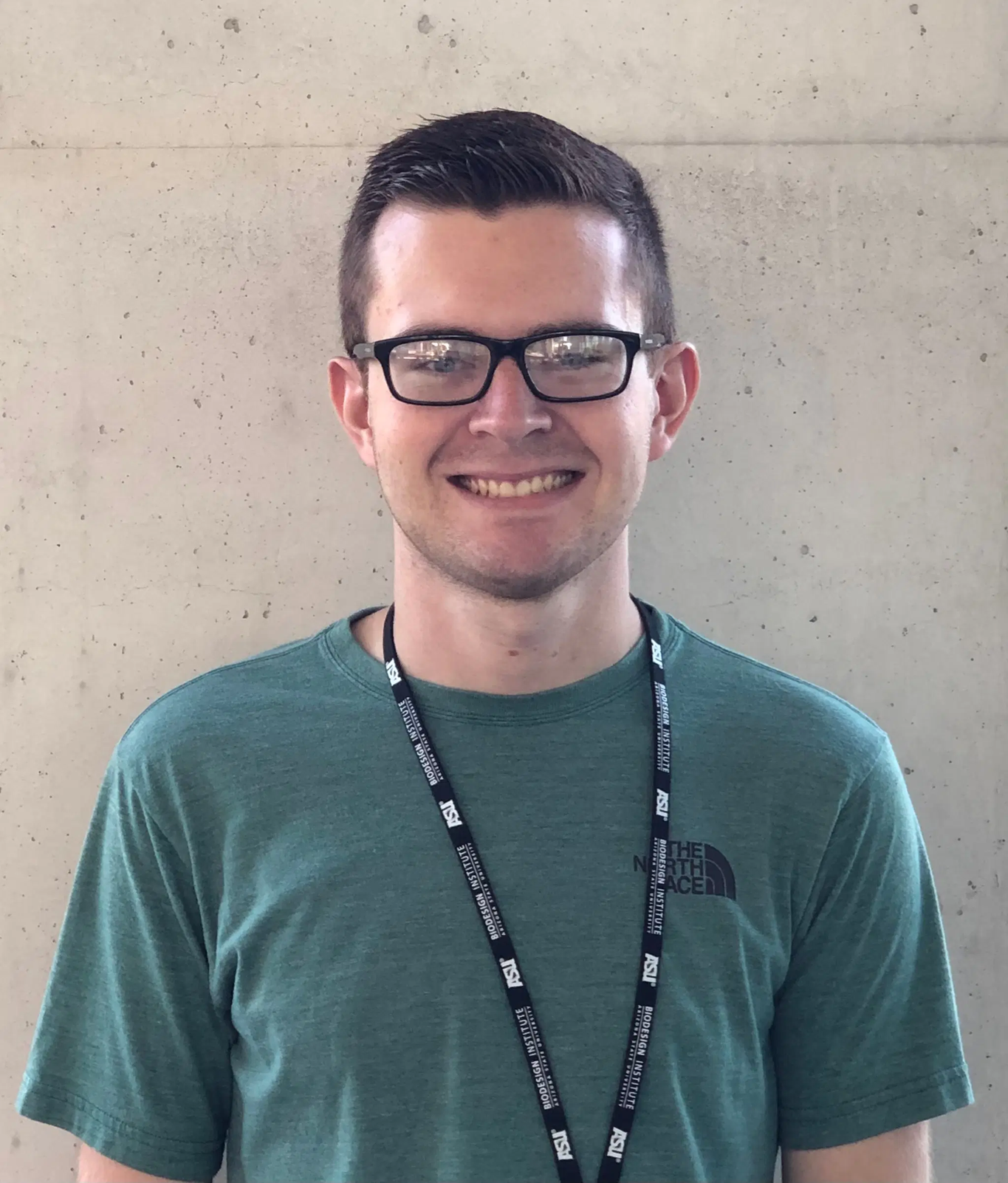
Jacob Layton received his bachelor's degree in Biochemistry from Waynesburg University in 2019. His undergraduate research explored the basic principles of drug discovery, utilizing various instrumentation including HPLC, LC-MS, and mass spec. During this time, he also completed a 3-month Research Experience for Undergraduates (REU) at West Virginia University, which served as an introduction to molecular dynamics through exploring the thermodynamics of the pH-low-insertion peptide (pHLIP). Also in 2019, Jacob joined Dr. Abhishek Singharoy's group as a Chemistry PhD student in the School of Molecular Sciences at Arizona State University. The underlying theme of his research is to investigate mechanisms of action of large biomolecular systems--namely the full F1Fo ATP synthase. In collaboration with both Nelli Mnatakanyan at Penn State University College of Medicine and Leo Sazanov at the Institute of Science and Technology Austria, he is currently simulating ATP synthase's proposed involvement in the opening of the mitochondrial permeability transition pore (mPTP) via molecular dynamics. His future research endeavors will be focused on using Reinforcement Learning paired with Steered Molecular Dynamics to ascertain likely transition pathways between known states in ABL kinase, which is involved in many cellular processes.

Jacob Miratsky headshot

Jacob Miratsky

Graduate Research Associate

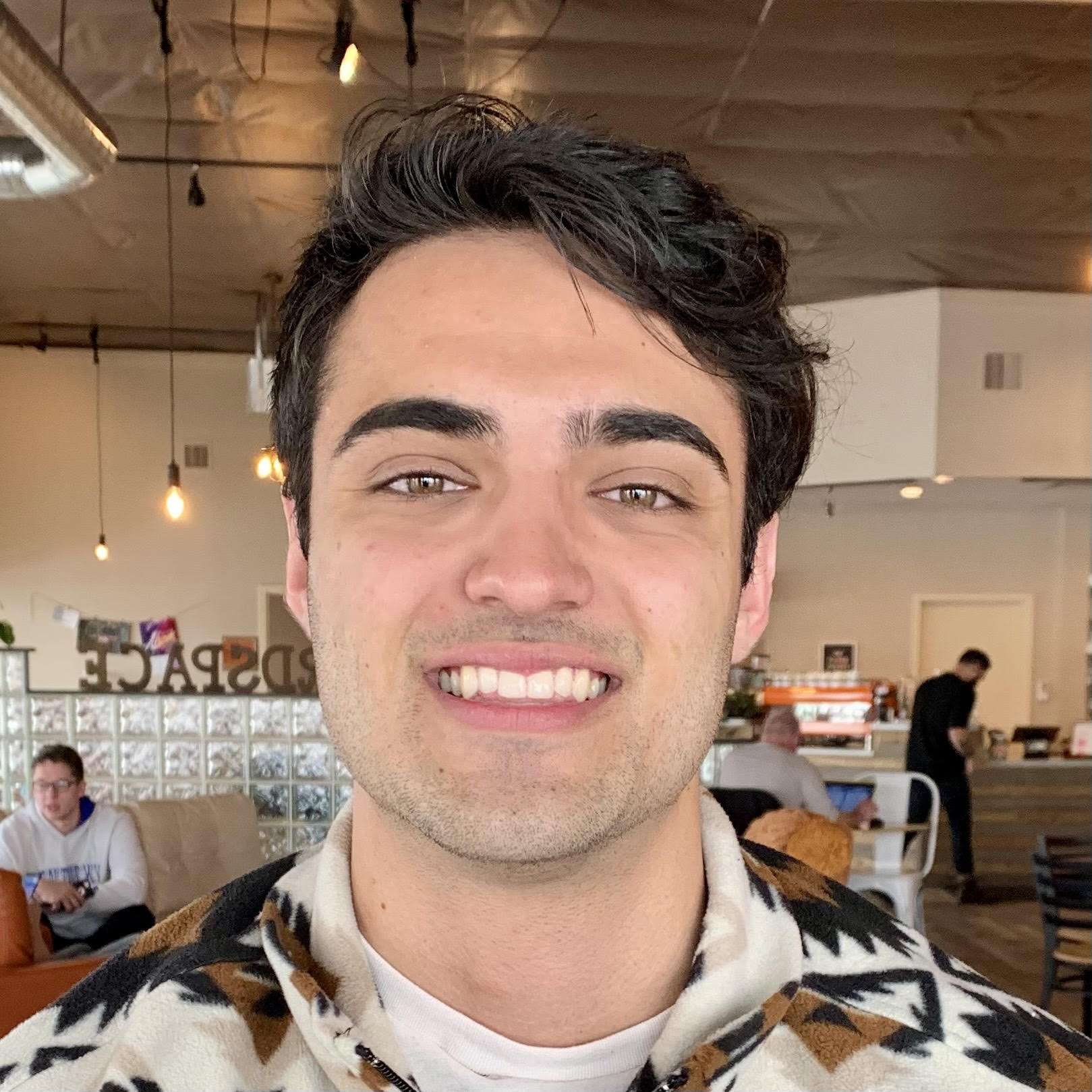
Jacob Miratsky is a Ph.D. candidate in Chemistry at the School of Molecular Sciences whose research lies at the intersection of molecular simulation, machine learning, and biophysics. His work focuses on developing computational methods that integrate reinforcement learning with molecular dynamics simulations to uncover protein conformational pathways and mechanisms. He has also contributed to integrative modeling studies of chromatin compaction and the chemomechanical mechanisms of bacterial secretion systems. His research combines high-performance computing, statistical mechanics, and artificial intelligence to advance our understanding of biomolecular structure, dynamics, and function.

John Kevin Cava headshot

John Kevin Cava

Graduate Student

CS PhD student, co-advised by Dr. Abhishek Singharoy and Dr. Ross Maciejewski. Interested in the intersections between computer science and molecular biology utilizing machine learning and deep learning.

Ranel Maqdisi headshot

Ranel Maqdisi

Doctoral Student

Doctoral student co-advised by Yuval Mazor and Abhishek Singharoy. Research focuses on computational and structural analysis of photosynthetic antenna systems, primarily using cryo-EM and molecular dynamics to understand evolutionary mechanisms of photosynthetic adaptation to environmental pressures.

Undergraduate Students

0 members

No undergraduate students listed yet.

Alumni

0 members

No alumni entries listed yet.

Other

1 member